Frozen Storage for Restaurants in Saudi Arabia: 2026 Kitchen Guide
Frozen storage for restaurants in Saudi Arabia decides whether a busy kitchen runs smoothly or lurches from crisis to crisis. When a cloud kitchen in Riyadh or a seafood restaurant in Jeddah runs out of freezer space, chefs start improvising, food safety slips, and waste climbs. Getting frozen and cold storage right is one of the least glamorous yet most profitable decisions a food-service operator can make in 2026.
This guide speaks directly to restaurant owners, catering companies, and cloud-kitchen operators. It explains how off-site frozen storage supports a modern kitchen, what temperature discipline protects both diners and margins, and how to choose a partner that treats your inventory like their own. Everything here comes from watching real kitchens win and lose on cold-chain management.
Why Frozen Storage for Restaurants Matters in 2026
Restaurant demand in the Kingdom keeps expanding as tourism, events, and delivery apps grow. Kitchens buy in bulk to control cost, but on-site walk-in freezers are small, expensive to run, and vulnerable to a single compressor failure during a Friday rush. Off-site cold storage solves that by giving operators scalable capacity without sacrificing kitchen floor space.
Bulk buying only pays off if the surplus stays safe. Professional Frozen Storage in Jeddah and other cities lets a restaurant lock in seasonal prices on poultry and seafood, then draw stock down as menus require. That buffer smooths cash flow and shields the kitchen from supply shocks.
How much frozen storage does a restaurant actually need?
It depends on menu volatility and delivery frequency. A high-turnover burger concept may hold only a few days of frozen stock, while a fine-dining seafood venue might keep weeks of specialist product. The safe rule is to size capacity to your busiest week plus a buffer, so a supplier delay never empties your freezer mid-service.
Temperature Discipline That Protects Diners
Food safety is the non-negotiable core of any kitchen. Frozen goods must stay at -18°C or colder, and the moment they cross into the danger zone, pathogens can multiply. Reputable operators follow HACCP principles, and the food-hygiene guidance from the World Health Organization explains why temperature control is the front line of preventing foodborne illness.
Here is how the temperature bands map to a typical restaurant’s inventory.
| Band | Temperature | Restaurant Items |
|---|---|---|
| Frozen | -18°C to -25°C | Meat, seafood, fries, pastry |
| Chilled | 0°C to +4°C | Dairy, sauces, prepped produce |
| Ambient | +15°C to +25°C | Rice, oils, canned stock, flour |
Beyond raw ingredients, catering firms and central kitchens often need bulk Storage for Restaurants that combines all three bands under one roof, so a single order can be picked across frozen, chilled, and dry lines and dispatched together.
Habits That Keep a Restaurant Cold Chain Solid
Great kitchens turn cold-chain safety into routine. Build these habits and you protect both diners and profit.
- Label and date everything so nothing outlives its safe window.
- Rotate on FEFO, using first-expiring stock before newer deliveries.
- Probe deliveries at the core, not just the surface, before accepting them.
- Never refreeze thawed protein; it invites bacterial growth.
- Log freezer temperatures at set times every shift.
Choosing an Off-Site Frozen Storage Partner
Selecting the right facility protects your reputation. Work through this sequence before you commit.
- Confirm SFDA-compliant records and food-grade certification.
- Check backup power and redundant refrigeration for failure protection.
- Ask about delivery windows and how quickly you can pull emergency stock.
- Verify continuous monitoring with alarms and shareable data logs.
- Tour the docks to see whether receiving is temperature-controlled.
- Review pricing per pallet against your realistic volume.
Partnering with reputable service experts means your surplus sits in a validated environment with trained staff, so your chefs focus on food rather than firefighting freezer failures.
Original tip: track your “shrink” by temperature band
Here is a habit few restaurants adopt but every profitable one should. Log wasted stock separately for frozen, chilled, and ambient goods each month. If frozen shrink suddenly rises, it usually signals a temperature problem, a rotation failure, or over-ordering, long before it shows up in your profit statement. This simple split turns waste data into an early-warning system for your entire cold chain.
Frozen Storage Trends Reshaping Food Service
Cloud kitchens and delivery-only brands are driving demand for flexible, pay-as-you-grow cold storage near urban centres. Operators increasingly want short-term contracts that flex with seasonal menus rather than long leases on their own freezers. Many facilities now add solar power and high-efficiency compressors to tame energy costs during the Kingdom’s punishing summer afternoons.
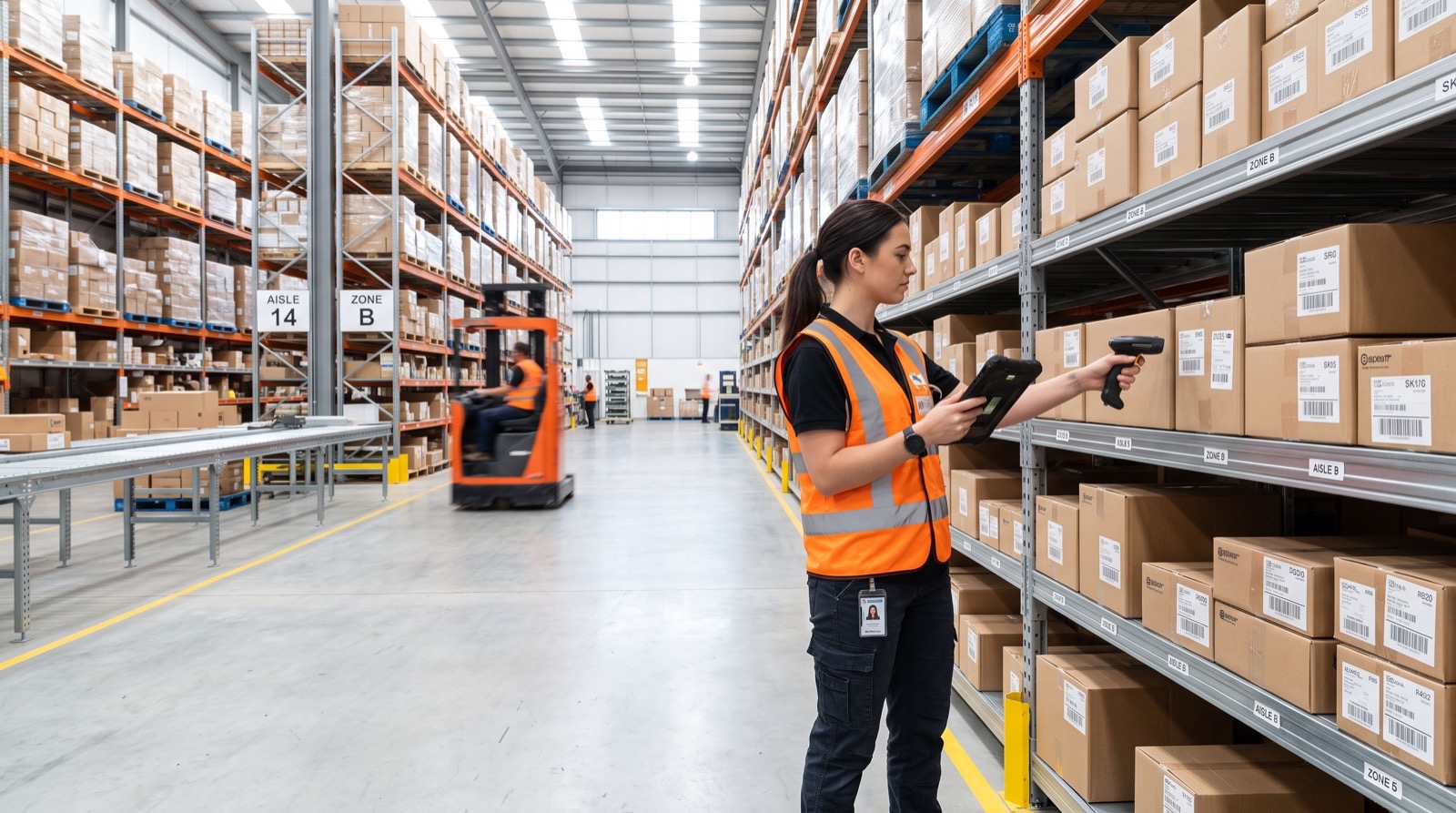
Technology helps too. Live temperature dashboards, barcode-driven stock tracking, and automated reorder alerts give restaurant operators visibility they never had before. In 2026, the smartest kitchens treat their cold-storage partner as an extension of the operation, not just a rented box.
Frequently Asked Questions
What temperature should restaurant frozen storage maintain?
Frozen restaurant stock should stay at -18°C or colder, with some seafood and ice cream held near -25°C. Keeping product below -18°C halts bacterial growth and preserves texture, so always follow the supplier’s stated freezing specification.
Is off-site frozen storage better than an in-house walk-in freezer?
For many operators, yes. Off-site storage scales with demand, avoids large capital cost, and offers backup power and redundant refrigeration most kitchens cannot match. It also frees valuable floor space, though you should keep a small in-house buffer for daily service.
Can frozen and dry goods be stored with the same provider?
Yes. Multi-temperature facilities hold frozen, chilled, and ambient products in separate isolated zones under one roof. This lets a catering business consolidate ordering and receive a single mixed delivery, simplifying logistics for busy kitchens.
How do restaurants prove food-safety compliance for stored goods?
Continuous digital temperature logs are the strongest evidence. A compliant storage partner records readings at set intervals and stores tamper-proof history, which satisfies SFDA inspectors and gives the restaurant a clear audit trail if a customer or authority ever asks.
Conclusion: Store Smart, Serve Safe
Frozen storage for restaurants in Saudi Arabia is a quiet profit lever hiding behind the kitchen door. Hold the right temperature bands, build FEFO and probing into daily habit, and choose a partner with backup power and clean records. Do that and you cut waste, protect diners, and buy the freedom to purchase smart.
If your kitchen keeps fighting freezer space or worrying about spoilage, review your storage against the steps above and speak with a specialist food-service cold-storage team this season. Lock in reliable frozen storage now, and 2026 becomes the year your kitchen finally runs on confidence instead of guesswork.