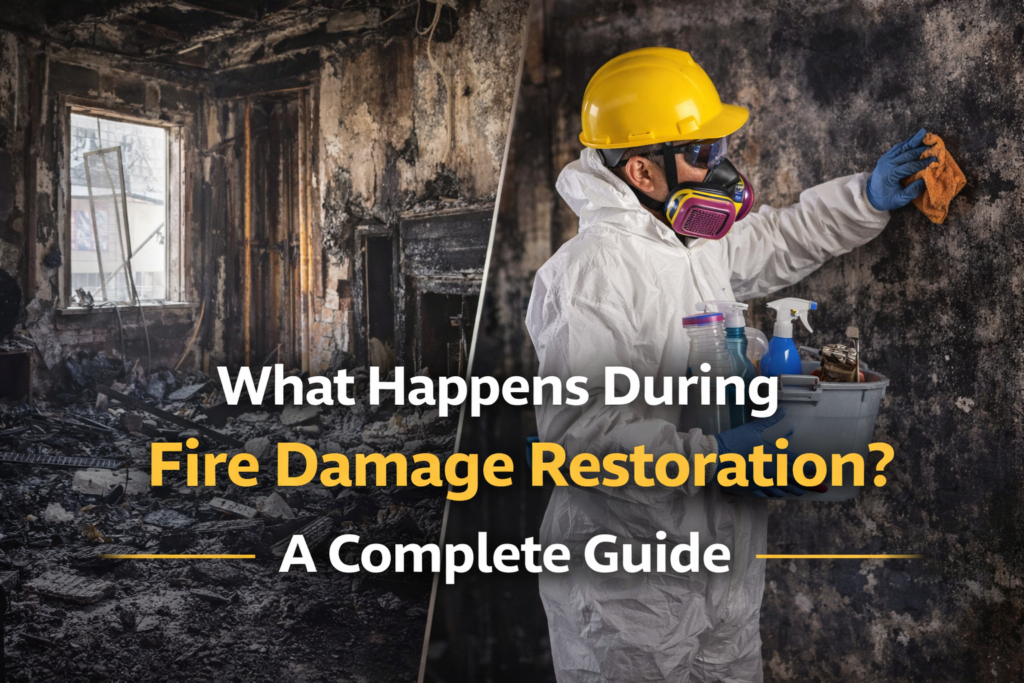
A house fire is one of the most devastating events a homeowner can experience. Even after the flames are extinguished, the damage left behind from charred walls and weakened structures to lingering smoke, toxic soot, and water used during firefighting can feel completely overwhelming. Understanding what a Fire Damage Restoration Service actually does can help property owners make informed decisions and take the right steps toward recovery.
The Hidden Layers of Fire Damage
Most people naturally focus on what they can see: blackened walls, burned furniture, and collapsed ceilings. But fire damage runs far deeper than its visible effects. Smoke and soot particles are extremely fine and mobile, meaning they travel through the air and infiltrate surfaces throughout the entire structure not just the rooms directly touched by fire.
Soot is acidic in nature. Left untreated, it can corrode metals, permanently stain porous surfaces like marble and plastic, and embed itself into fabrics, upholstery, and insulation. The longer soot sits, the more damage it causes. Smoke odour, if not properly neutralised, can persist for years even after the visible residue has been wiped away.
Water damage is another overlooked consequence. Firefighting efforts from hoses and sprinkler systems soak into flooring, drywall, and structural framing. Without rapid drying and proper treatment, this moisture creates ideal conditions for mould growth within as little as 24 to 48 hours.
What Does a Fire Damage Restoration Service Do?
Fire damage restoration is a multi-stage process that requires trained technicians, specialised equipment, and a systematic approach. Here is what a professional fire damage restoration service typically involves:
1. Emergency Response and Property Securing
The restoration process begins immediately after the fire department clears the scene. Restoration professionals conduct an initial assessment to understand the full extent of fire, smoke, soot, and water damage. During this phase, the property is secured to prevent further harm. This includes boarding up broken windows, placing tarps over damaged roofs, and setting up temporary barriers to keep the site safe and protected from the elements.
2. Detailed Damage Assessment
Before any cleaning or repair begins, technicians perform a thorough inspection of all areas including rooms adjacent to the fire zone that may appear undamaged but have been affected by smoke and soot migration. Advanced tools help detect hidden moisture pockets inside walls and under floors that could lead to mould if left unaddressed. A detailed plan of action is developed at this stage, often in coordination with insurance adjusters.
3. Water Removal and Structural Drying
Water extraction begins as soon as possible to prevent secondary damage. Industrial-grade pumps and dehumidifiers work to remove standing water and moisture from floors, walls, and structural materials. The drying process is carefully monitored until moisture levels return to safe thresholds.
4. Soot and Smoke Removal
Soot removal requires different techniques depending on the type of residue and the surfaces affected. Restoration teams use a range of methods from dry chemical sponges and HEPA vacuuming to wet cleaning solutions to safely lift soot from walls, ceilings, and personal belongings without spreading it further.
There are several types of smoke residue that professionals address. Wet smoke, which results from low-heat smouldering fires, leaves a thick, greasy residue with a strong odour. Dry smoke from fast-burning, high-temperature fires tends to be easier to clean but travels further. Protein smoke often from kitchen fires is nearly invisible but produces an extremely pungent smell and coats surfaces in a thin, difficult-to-clean film.
5. Odour Neutralisation
Eliminating the smell of smoke is one of the most challenging aspects of fire damage restoration. Professional teams use industrial air scrubbers, thermal fogging, and ozone treatments to neutralise odour at the molecular level not just mask it. These methods penetrate surfaces and materials to reach deeply embedded smoke particles that surface cleaning alone cannot address.
6. Contents Cleaning and Restoration
Personal belongings furniture, clothing, documents, electronics, and sentimental items are carefully inventoried. Restoration professionals assess each item to determine whether it can be salvaged or must be replaced. Salvageable items are packed, transported to a cleaning facility, and restored using appropriate techniques. Some specialised restoration services can even recover fire-damaged documents and photographs.
7. Structural Repairs and Reconstruction
Once cleaning and drying are complete, the structural restoration phase begins. Depending on the severity of the damage, this may involve minor repairs such as replacing drywall and repainting, or it may require extensive reconstruction of entire rooms, roof sections, or load-bearing elements. Having a single company handle both restoration and reconstruction simplifies the process and reduces overall project timelines.
Why Professional Restoration Matters
Fire-damaged structures can be structurally compromised in ways that are not immediately visible. Weakened beams, damaged electrical systems, and deteriorated materials pose serious safety risks to anyone attempting to access or clean the property without professional training.
Additionally, soot and smoke residue contain toxic compounds that are hazardous to breathe and touch. Professional restoration technicians use appropriate personal protective equipment and follow strict safety protocols throughout the process.
Attempting to clean fire damage without the right tools and knowledge can actually worsen the situation spreading soot further, pushing moisture deeper into materials, or inadvertently destroying salvageable belongings.
The First 24 to 48 Hours Are Critical
Restoration professionals often refer to the first 24 to 48 hours after a fire as the most important window for recovery. Rapid response limits soot penetration, prevents mould growth from water damage, and increases the likelihood of salvaging personal belongings. The sooner a professional fire damage restoration service is contacted, the better the outcome for both the property and its contents.
Working with Insurance
Reputable restoration companies work directly with insurance providers to document damage, prepare accurate estimates, and manage the claims process. Clear, professional documentation including photographs, inventories, and detailed repair assessments ensures property owners receive fair coverage for their losses.
Fire damage is never simple, but a skilled restoration team brings clarity, expertise, and structured support to what can feel like an impossible situation. Understanding the process helps homeowners and business owners know what to expect and how to move forward with confidence.